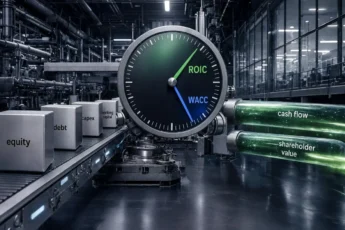
A structured product is a pre-designed investment strategy and a complex financial instrument with a fixed term. It allows you to partially or fully preserve your savings through effective risk control. Simply put, it is a ready-made investment suite including shares, bonds, currencies and other financial instruments with varying degrees of risk. Such investment products are ideal for those investors who do not want to spend a lot of time analysing the market and are looking for a ready-made investment solution.
The established market for structured products
In recent years, structured products have been in high demand in the West, while in Russia this market is just beginning to develop actively. The interest in such financial instruments is growing every year.
Many banks offer their clients structured products with full capital protection. Having made an investment in such a portfolio for a period of three years, the investor only has to wait for the results. The high level of protection of these instruments is explained by the fact that 80-90 per cent of them are made up of reliable securities, and 10-20 per cent are high-yielding but riskier assets.
It is important to note that major brokerage companies and banks provide not only standard portfolios, but also the possibility of creating products tailored to individual investment preferences of clients.
Structured products can have various objectives and strategies, including capital protection, income generation, speculation on changes in asset prices and others. They can be either conservative or aggressive, depending on the assets selected and the mix of assets in the product.
What types of structured products there are
In the investment market, there are two main types of structured financial instruments:
Risk-free. They provide full safety of the invested capital. The main risk in this case is that at the end of the investment term it is possible to return only the original deposits, sometimes with small losses due to inflation.
With limited risk. These instruments consist of two components: safe assets and risky securities. This approach compensates for potential losses from risky instruments. The outcomes depend on the financial condition of the issuers. The investor has the opportunity to either gain up to 50% or suffer a portion of the losses.
It is also worth noting notes that have recently appeared on the market. This is an improved type of structured product, which serves as an exchange instrument. They can be purchased and sold at will without waiting for the fulfilment of obligations under futures contracts.
How to choose structured instruments
Usually, sellers only represent the best aspects of a depository portfolio. It is therefore crucial to be able to choose the right instruments based on personal experience.

First of all, it is important to consider the following aspects:
- The amount of investment is the minimum capital required to buy a pre-prepared portfolio of stocks.
- The level of commission from the developer of the financial product.
- Profitability. This parameter can be considered guaranteed only if all the conditions stipulated by this product are met.
- Investment term. This aspect acts similarly to bank deposits. During the set period the investor has no possibility to return his funds or get profit from his investments. If a return is made, it may require the payment of a penalty.
Is it possible to develop a structured product on your own?
Theoretically, it is possible to develop a structured product on your own. For this purpose, it is necessary first of all to determine the key characteristics that the portfolio should have. Based on this, the appropriate financial instruments should be selected.
In the process of investing, investors may encounter a number of difficulties, such as:
- Limited choice of investment instruments. This predominantly applies to the Moscow Exchange. More options are available on the US markets, but buying assets may incur significant transaction costs. Outside the exchange market, it is difficult for investors with small funds to count on favourable conditions without the involvement of intermediaries.
- Lack of experience. It is difficult for new investors to assess the profitability of securities taking into account tax consequences, as well as to manage various risks. Even a minor mistake can lead to serious financial losses.
- Expenditure of time and effort. Finding and analysing suitable securities takes a lot of time and effort. Not all investors are willing to go to this length.
Structured products are a virtually safe investment option. They are suitable for novice investors who do not want to risk their funds. It is recommended to purchase such products from trusted investment companies or reliable brokers. Self-development of a structured product is possible, but in this case there will be no guarantee of the result, which is associated with high risks of loss of investments.
How to make money on structured products?
1. Research the product: before investing in a structured product, it is important to thoroughly research its terms, risks and potential returns. Pay attention to the following aspects.
- Purpose of the product: determine what the purpose of the product is (capital protection, income generation, etc.).
- Assets: examine what assets are included in the product and what their role is.
- Strategy: find out what strategy is used to manage the product.
- Terms: familiarise yourself with the terms and conditions of the product such as terms, fees, etc.
2. Assess the risks: structured products can have different levels of risk depending on the assets selected and their mix. Assess your risk appetite and determine what level of risk you are willing to accept.
3. Compare returns: compare the potential returns of structured products with other investment instruments such as bank deposits, bonds, equities, etc.
4. Diversify your portfolio: structured products can be a good addition to your investment portfolio but should not form the core of it. Diversify your investments to reduce risk and maximise potential returns.
5. Keep an eye on the news: Keep an eye on news and events that may affect the selected assets in structured products. This will help you make informed decisions and adjust your strategy when necessary.
6. Consult a professional: if you are not sure of your knowledge and experience, contact a financial advisor or an expert who can help you choose the most appropriate structured product and develop an investment strategy.
It is important to remember that investing in structured products involves risks and you may lose some or all of your investment. Before deciding to invest in structured products, carefully consider the terms and risks and consult a financial expert.
Publication author